Medically reviewed by Dr. Jared Hawthorne | Last reviewed: September 2026
Wisdom teeth have a habit of causing trouble when you least expect it.
The good news is that having wisdom teeth does not automatically mean you need surgery. The right decision begins with an examination and dental imaging to determine where the teeth are, how they are developing, and whether they could cause oral health complications.
To help you better understand your options, this guide explains why wisdom teeth can become problematic and answers common questions, including:
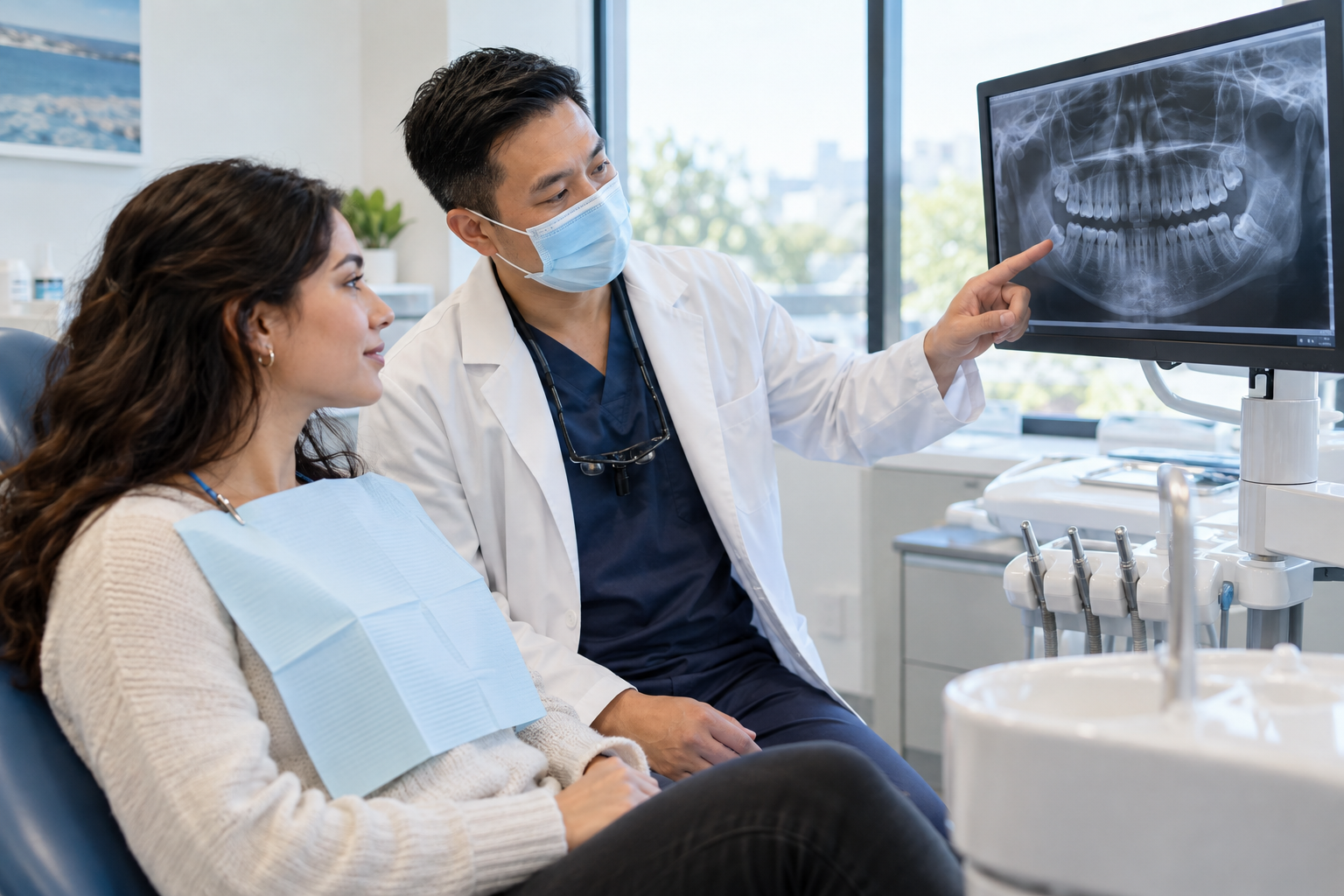
If you are experiencing tooth pain, swelling, or difficulty opening your mouth, West Vancouver Dental can help you determine what is happening and what to do next.
Wisdom teeth are the third and final set of permanent molars located at the very back of the mouth.
Wisdom teeth commonly begin appearing during the late teens or early twenties, although the age at which wisdom teeth come in varies from person to person.
Some remain hidden below the gum or jawbone and may only be discovered through dental X-rays.
No. Some adults develop all four wisdom teeth, while others develop fewer or none at all. The number of wisdom teeth you have does not, by itself, indicate whether you need treatment.
That’s because a wisdom tooth can:
An impacted wisdom tooth is one that does not have enough space or the correct position to erupt normally. It may be partially visible or remain completely hidden beneath the gums.
Impaction does not always cause immediate pain.
That is one reason routine dental exams and X-rays are so valuable. They allow your dentist to assess wisdom teeth before an unnoticed problem becomes more difficult to manage.
Pain is one possible sign, but it is not the only reason a dentist may recommend wisdom tooth removal. Some problematic wisdom teeth may produce few noticeable symptoms at first.
With that, common signs that deserve a dental evaluation tend to include:
These symptoms do not necessarily confirm that extraction is required. During an examination, your dentist will:
If you experience sudden facial swelling, fever, worsening pain, drainage, or difficulty swallowing, do not ignore these symptoms. Contact an emergency dentist promptly. Call 911 or seek emergency medical care if swelling interferes with breathing or swallowing.
No. Whether or not wisdom teeth should be removed depends on the health, position, and long-term outlook of each tooth.
In fact, a wisdom tooth may be kept when it is:
Wisdom teeth that remain in place should continue to be monitored during routine dental visits. That’s because their condition can change over time, especially when their location makes them difficult to clean.
Ultimately, the decision should be based on your symptoms, oral health, tooth position, X-rays, age, medical history, and the likelihood that the tooth can remain healthy. So, this comes down to individual circumstances, not on a one-size-fits-all rule.
A wisdom teeth consultation begins with understanding your symptoms and overall health. So, be ready to tell your dentist about any pain, swelling, previous infections, current medications, allergies, and/or medical conditions that could affect your treatment or healing.
Generally, wisdom teeth evaluations will include:
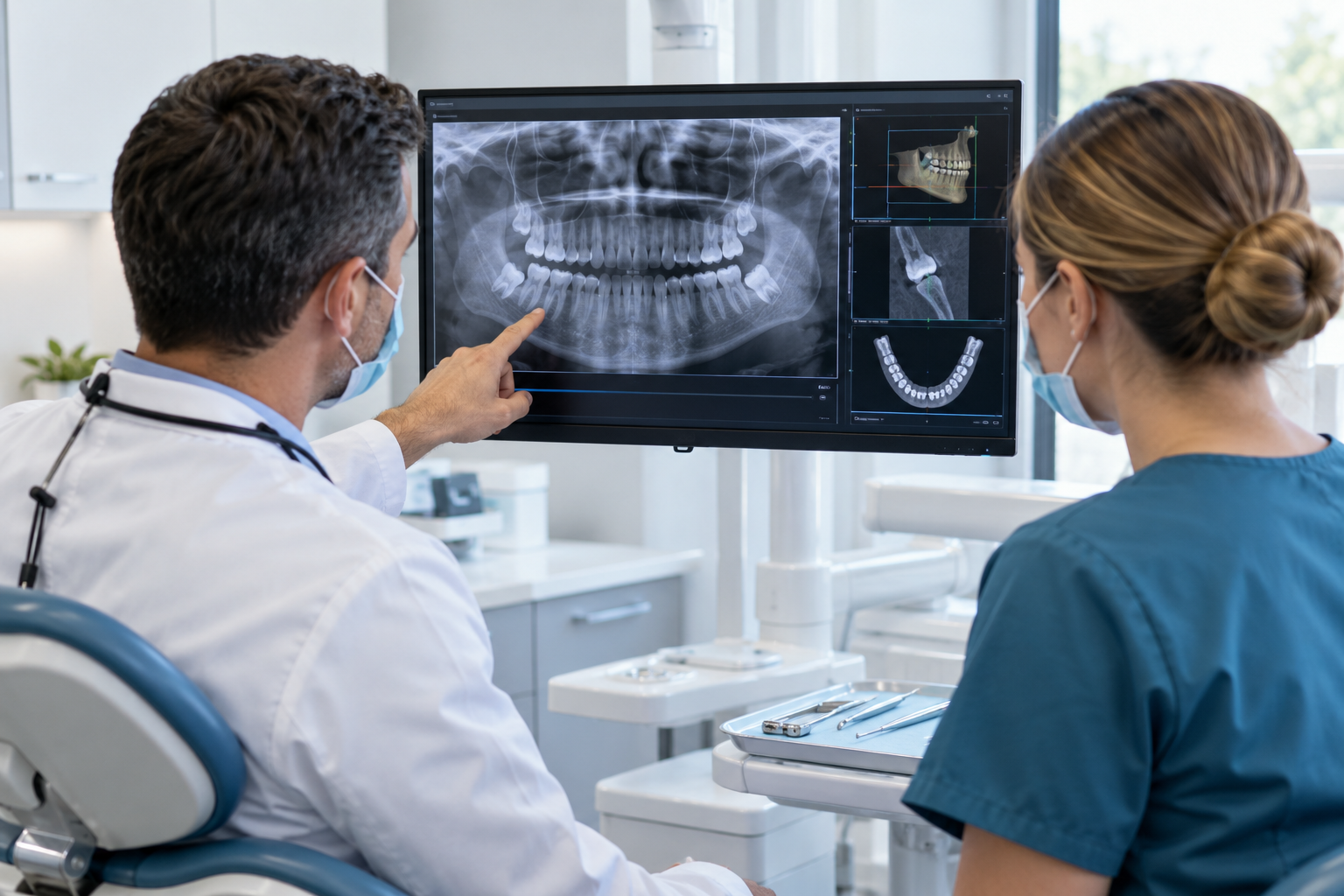
Not every wisdom tooth has the same degree of complexity. A fully erupted tooth may be relatively straightforward to remove, while a deeply impacted tooth or one located near important structures can require specialist care.
At West Vancouver Dental, the goal is to give you a clear explanation of what the imaging shows and help you understand the most appropriate path forward.
What happens during wisdom tooth removal depends on whether the tooth has erupted, how it is positioned, and the complexity of the extraction.
Before treatment, your dental care provider will typically explain how to prepare for wisdom teeth removal, reviewing the following details with you
Follow the instructions provided for your specific procedure. Eating, drinking, medication, and transportation requirements may differ, depending on whether sedation is being used.
A straightforward extraction may involve loosening and removing a fully erupted tooth.
An impacted wisdom tooth may require an incision in the gum and, in some cases, removal of a small amount of surrounding bone or division of the tooth into sections. The area is then cleaned, and stitches may be used when appropriate.
Local anesthetic is usually used to numb the treatment area. Other sedation and comfort options depend on the procedure, the provider, your health, and your level of dental anxiety.
The treatment area is numbed before the extraction, although patients may still notice pressure or movement during the procedure. Soreness, swelling, and jaw stiffness can occur afterward.
Your provider will explain how to manage discomfort safely based on your health and the type of extraction performed.
The length of a wisdom teeth removal procedure varies. Removing one fully erupted tooth may take less time than treating multiple impacted teeth. Tooth position, root development, proximity to nearby structures, anesthesia, and surgical complexity can all affect the appointment length.
Your provider can give you a more useful estimate after examining your mouth and reviewing your X-rays.
Because every case is different, your dentist or oral surgeon should explain the specific procedure, risks, alternatives, and preparation instructions before treatment.
If dental treatment makes you nervous, tell the West Vancouver Dental team when scheduling. Knowing about your concerns early can help the team plan for a calmer, more comfortable visit.
The initial recovery can take a few days, but the exact timeline depends on the number and position of the teeth removed, the complexity of the procedure, and your general health.
Soreness, swelling, minor bleeding, and temporary jaw stiffness are common during the first few days. Many patients begin returning to normal daily activities within several days, but deeper gum and bone healing continues after the initial discomfort has improved.
While it’s best to follow your provider’s instructions, here are some general steps to take after wisdom teeth removals:
Do not rinse forcefully, spit forcefully, or probe the extraction site. The blood clot that forms in the socket plays an important role in protecting the area while it begins to heal.
Contact your provider if pain or swelling gets worse instead of gradually improving.
Start with foods that require little or no chewing while still being nourishing, comfortable to eat, and unlikely to irritate the extraction sites.

Good options during the early stage of recovery may include:
Follow your provider’s specific instructions about when to begin eating.
Once it is safe, start with cool or lukewarm liquids and very soft foods. Be careful while your mouth is still numb so you do not accidentally bite your cheek, lip, or tongue.
No single day is right for every patient. As tenderness and swelling improve, you can gradually add more substantial foods according to your comfort and your provider’s directions.
Do not rush back to crunchy or chewy foods simply because several days have passed. The extraction areas may still be sensitive even when you otherwise feel better.
During the early stages of healing, avoid:
Try to chew away from the extraction sites. If food repeatedly becomes trapped near a socket, contact your dental provider for instructions, instead of attempting to dig it out.
Most extraction sites heal without a serious problem, but knowing what to watch for can help you seek care at the right time.
Dry socket can occur when the protective blood clot inside an extraction socket does not form properly or becomes dislodged before the area has healed. It can cause intense or worsening pain, sometimes accompanied by bad breath or an unpleasant taste.
To minimize the risk of dry socket after wisdom teeth removal:
Possible signs of infection include:
Some swelling and soreness can be part of normal healing, so call your provider if you are uncertain. They can determine whether your symptoms are expected or need treatment.
Light oozing can occur after an extraction. Bleeding that remains heavy, does not improve with the pressure technique provided by your dental team, or concerns you should be reported promptly.
Lower wisdom teeth can sometimes be located near nerves that supply sensation to the tongue, lip, or chin. Temporary numbness or tingling can occur after treatment, while lasting nerve changes are less common. Your provider should discuss your individual risk when reviewing your imaging.
Seek urgent help for uncontrolled bleeding, rapidly worsening swelling, severe illness, or difficulty breathing or swallowing.
Dr. Jared Hawthorne and the West Vancouver Dental team can assess your symptoms, examine the surrounding gums and teeth, review the necessary imaging, and explain your options in plain language.
The cost of wisdom teeth removal depends on:
An examination and X-rays are generally needed before an accurate treatment estimate can be provided.
Many dental insurance plans provide some coverage when wisdom teeth removal is considered medically or dentally necessary, but deductibles, annual maximums, waiting periods, and coverage percentages vary.
West Vancouver Dental accepts many PPO dental insurance plans and can help review your benefits and estimate your likely out-of-pocket responsibility. Options are also available for patients without dental insurance.
When you’re ready to find out what’s happening with your wisdom teeth, contact West Vancouver Dental.
You can also call (360) 694-7931 to speak with our team.